Buy captionyoungnails.be ?
We are moving the project
captionyoungnails.be .
Are you interested in purchasing the domain
captionyoungnails.be ?
domain@kv-gmbh.de · 0541-91531010
Buy captionyoungnails.be ?
Does chalk contain calcium carbonate?
Yes, chalk does contain calcium carbonate. In fact, calcium carbonate is the main component of chalk, making up about 90-95% of its composition. This is why chalk is often used in classrooms and for drawing, as it provides a smooth and easily erasable surface due to its calcium carbonate content. **
How is calcium oxide and calcium hydroxide formed by heating calcium carbonate?
When calcium carbonate is heated, it undergoes thermal decomposition to form calcium oxide and carbon dioxide. The chemical equation for this reaction is: CaCO3 (s) → CaO (s) + CO2 (g). The calcium oxide formed is a white solid, while the carbon dioxide is a gas that is released into the atmosphere. When water is added to the calcium oxide, it undergoes a chemical reaction to form calcium hydroxide: CaO (s) + H2O (l) → Ca(OH)2 (aq). Calcium hydroxide is a white, powdery substance that is commonly used in construction and as a pH regulator in various industries. **
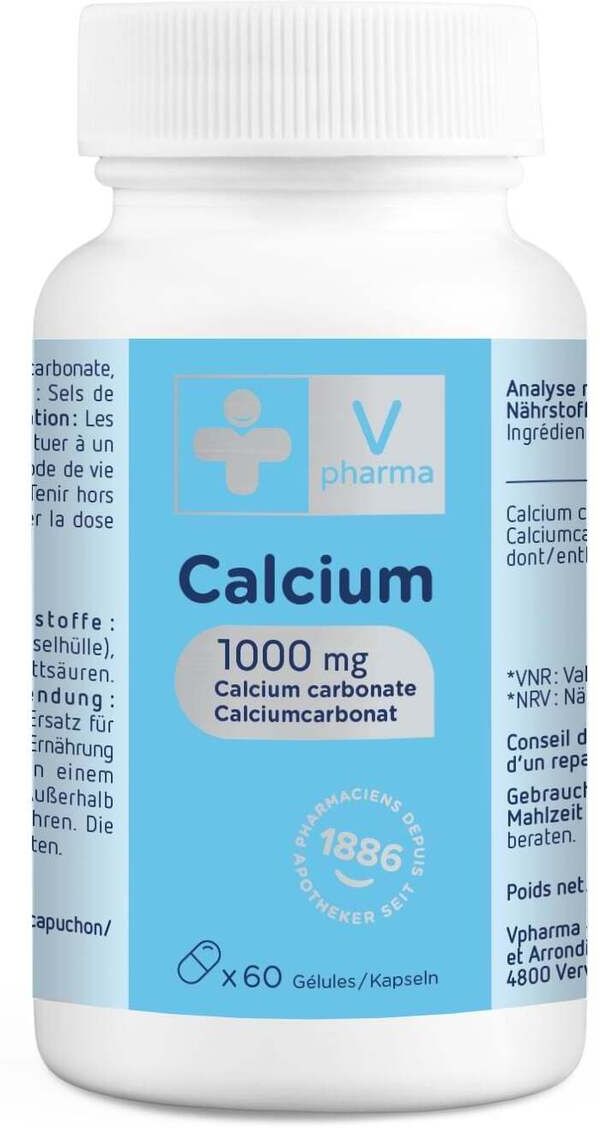

Similar search terms for VPharma-Calcium-Carbonate-1000
Top-Angebote
Products related to VPharma-Calcium-Carbonate-1000:
-
Vpharma Nutrition Vitamine D 1000 Ui 120 PerlesVpharma Connect - VPHARMA - La vitamine D3 contribue au maintien d’une ossature normale en favorisant l’absorption et l’utilisation normale du calcium et du phosphore. Elle contribue au fonctionnement normal du système immunitaire.14,40 €*Shipping: 2,99 €Secure redirect to the provider


-
How is calcium hydrogen carbonate evaporated?
Calcium hydrogen carbonate can be evaporated by heating it to a high temperature, causing the water and carbon dioxide to be released as vapor, leaving behind calcium carbonate. This process is known as thermal decomposition. The calcium hydrogen carbonate decomposes into calcium carbonate, water, and carbon dioxide when heated, and the water and carbon dioxide evaporate, leaving behind the calcium carbonate as a solid residue. **
-
What is the difference between calcium carbonate and calcium hydrogencarbonate?
Calcium carbonate is a chemical compound with the formula CaCO3, while calcium hydrogencarbonate is a chemical compound with the formula Ca(HCO3)2. The main difference between the two is their chemical composition. Calcium carbonate is a basic compound, while calcium hydrogencarbonate is an acidic compound. Additionally, calcium hydrogencarbonate is formed when carbon dioxide dissolves in water containing calcium carbonate. **
-
What is the difference between calcium carbonate and calcium bicarbonate?
The main difference between calcium carbonate and calcium bicarbonate lies in their chemical composition. Calcium carbonate (CaCO3) is a common form of calcium found in rocks, shells, and pearls. On the other hand, calcium bicarbonate (Ca(HCO3)2) is a type of calcium salt that forms when carbon dioxide is dissolved in water containing calcium ions. Calcium bicarbonate is more soluble in water compared to calcium carbonate, making it a more readily available source of calcium for plants and animals. **
-
What are the properties of calcium carbonate?
Calcium carbonate is a white, odorless powder that is insoluble in water. It has a high melting point of 825°C and is used in a variety of applications, including as a dietary supplement, antacid, and in the production of paper, plastics, and paint. It is also the main component of shells and pearls, and is found in rocks such as limestone and marble. Calcium carbonate is a versatile compound with a wide range of uses due to its properties. **


What is the mass of calcium carbonate?
The molar mass of calcium carbonate (CaCO3) is approximately 100.09 g/mol. Therefore, the mass of one mole of calcium carbonate is 100.09 grams. **
Why is calcium carbonate not soluble in water?
Calcium carbonate is not soluble in water because it is a salt compound with a high lattice energy, which means the forces holding the ions together in the solid state are stronger than the forces that would pull them apart in water. Additionally, calcium carbonate is a polar compound, while water is also a polar molecule, leading to limited interactions between the two substances. As a result, calcium carbonate remains insoluble in water. **
Top-Angebote
Products related to VPharma-Calcium-Carbonate-1000:
-
Vpharma Nutrition Vitamine D 1000 Ui 120 PerlesVpharma Connect - VPHARMA - La vitamine D3 contribue au maintien d’une ossature normale en favorisant l’absorption et l’utilisation normale du calcium et du phosphore. Elle contribue au fonctionnement normal du système immunitaire.14,40 €*Shipping: 2,99 €Secure redirect to the provider
-
Does chalk contain calcium carbonate?
Yes, chalk does contain calcium carbonate. In fact, calcium carbonate is the main component of chalk, making up about 90-95% of its composition. This is why chalk is often used in classrooms and for drawing, as it provides a smooth and easily erasable surface due to its calcium carbonate content. **
-
How is calcium oxide and calcium hydroxide formed by heating calcium carbonate?
When calcium carbonate is heated, it undergoes thermal decomposition to form calcium oxide and carbon dioxide. The chemical equation for this reaction is: CaCO3 (s) → CaO (s) + CO2 (g). The calcium oxide formed is a white solid, while the carbon dioxide is a gas that is released into the atmosphere. When water is added to the calcium oxide, it undergoes a chemical reaction to form calcium hydroxide: CaO (s) + H2O (l) → Ca(OH)2 (aq). Calcium hydroxide is a white, powdery substance that is commonly used in construction and as a pH regulator in various industries. **
-
How is calcium hydrogen carbonate evaporated?
Calcium hydrogen carbonate can be evaporated by heating it to a high temperature, causing the water and carbon dioxide to be released as vapor, leaving behind calcium carbonate. This process is known as thermal decomposition. The calcium hydrogen carbonate decomposes into calcium carbonate, water, and carbon dioxide when heated, and the water and carbon dioxide evaporate, leaving behind the calcium carbonate as a solid residue. **
-
What is the difference between calcium carbonate and calcium hydrogencarbonate?
Calcium carbonate is a chemical compound with the formula CaCO3, while calcium hydrogencarbonate is a chemical compound with the formula Ca(HCO3)2. The main difference between the two is their chemical composition. Calcium carbonate is a basic compound, while calcium hydrogencarbonate is an acidic compound. Additionally, calcium hydrogencarbonate is formed when carbon dioxide dissolves in water containing calcium carbonate. **
Similar search terms for VPharma-Calcium-Carbonate-1000
-
Gabriella Salvete Nail Care Calcium Extra Care vernis à ongles réparateur 11 mlGabriella Salvete Nail Care Calcium Extra Care, 11 ml, Soins des ongles pour femme, Pour que votre manucure fasse vraiment sensation, il est essentiel que vos ongles soient bien nourris et en bonne santé. Le produit Gabriella Salvete Nail Care Calcium Extra Care procure à vos ongles un soin professionnel et vous aide à les garder en parfait état. Il fortifie les ongles fragiles, affaiblis ou sujets au dédoublement et redonne de l’éclat aux ongles ternes et abîmés. Grâce à sa formule spéciale, enrichie en agents de soin, il les rend plus forts et plus souples, tout en leur faisant gagner en longueur et en beauté. Ce vernis sera très apprécié par les personnes qui souhaitent redonner à leurs ongles leur beauté naturelle et une apparence saine. Le produit : évite aux ongles de se casser, de se dédoubler ou de s’effriter régénère efficacement les ongles améliore la résistance des ongles aux agressions mécaniques réduit le dessèchement et la fragilité des ongles Mode d’emploi : Appliquez une couche directement sur les ongles. Utilisez-le régulièrement.3,33 €*Shipping: 3,45 €Secure redirect to the provider
-
What is the difference between calcium carbonate and calcium bicarbonate?
The main difference between calcium carbonate and calcium bicarbonate lies in their chemical composition. Calcium carbonate (CaCO3) is a common form of calcium found in rocks, shells, and pearls. On the other hand, calcium bicarbonate (Ca(HCO3)2) is a type of calcium salt that forms when carbon dioxide is dissolved in water containing calcium ions. Calcium bicarbonate is more soluble in water compared to calcium carbonate, making it a more readily available source of calcium for plants and animals. **
-
What are the properties of calcium carbonate?
Calcium carbonate is a white, odorless powder that is insoluble in water. It has a high melting point of 825°C and is used in a variety of applications, including as a dietary supplement, antacid, and in the production of paper, plastics, and paint. It is also the main component of shells and pearls, and is found in rocks such as limestone and marble. Calcium carbonate is a versatile compound with a wide range of uses due to its properties. **
-
What is the mass of calcium carbonate?
The molar mass of calcium carbonate (CaCO3) is approximately 100.09 g/mol. Therefore, the mass of one mole of calcium carbonate is 100.09 grams. **
-
Why is calcium carbonate not soluble in water?
Calcium carbonate is not soluble in water because it is a salt compound with a high lattice energy, which means the forces holding the ions together in the solid state are stronger than the forces that would pull them apart in water. Additionally, calcium carbonate is a polar compound, while water is also a polar molecule, leading to limited interactions between the two substances. As a result, calcium carbonate remains insoluble in water. **
* All prices are inclusive of VAT and, if applicable, plus shipping costs. The offer information is based on the details provided by the respective shop and is updated through automated processes. Real-time updates do not occur, so deviations can occur in individual cases. ** Note: Parts of this content were created by AI.